
What to Expect When You Reserve Your Rehabilitation Stay Before Surgery
August 12, 2026
Cardiac Rehabilitation After a Heart Attack: Rebuilding Strength Safely
September 18, 2026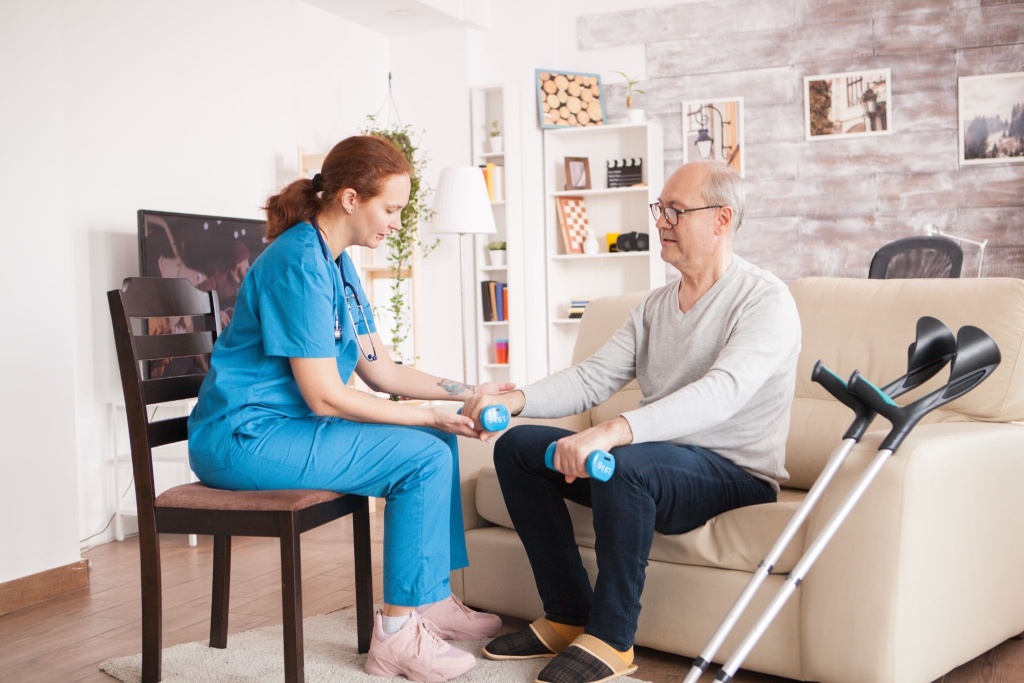
Feeling winded weeks after a hospital stay is more common than most families expect, and the right rehabilitation plan can help breathing, strength, and confidence return together.
Leaving the hospital is an important step in recovery, but it does not always mean a person immediately feels like themselves again. For some patients, shortness of breath can continue for days or weeks after hospitalization, making simple activities such as walking across a room, getting dressed, or taking a shower feel surprisingly difficult.
Breathlessness can be frustrating and sometimes frightening, especially for someone who was much more active before becoming ill. It can also lead people to avoid activity because they are worried about becoming short of breath. Too little activity, unfortunately, can contribute to additional weakness and reduced endurance, which can make everyday movement feel even harder.
Jump To Section
The Causes
Understanding Why Shortness of Breath Continues After Hospitalization
Depending on the underlying cause and a patient’s medical needs, structured rehabilitation can help address many of these challenges. A recovery plan may include breathing techniques, gradual physical activity, strength and endurance training, energy-conservation strategies, and ongoing nursing support. For patients who need additional care before returning home, rehabilitation can provide an important bridge between hospitalization and greater independence.
There is not one single reason a person may experience shortness of breath after leaving the hospital. The cause often depends on why they were hospitalized, their overall health, and whether they have existing heart or lung conditions. Common contributors include:
Respiratory infections and pneumonia which can leave the lungs needing extra time to recover
Surgery and the fatigue that often follows a procedure and anesthesia
Prolonged bed rest which allows muscles to weaken, including those used for posture and movement
Existing heart or lung conditions that affect breathing and endurance
Physical deconditioning as cardiovascular endurance declines during a long hospital stay
Even when the original medical problem has improved, the body may still need time to recover. As a result, activities that previously required little effort may suddenly leave someone feeling winded.
Because shortness of breath can also indicate a medical problem that needs attention, new, severe, or worsening breathing difficulties should always be reported to a healthcare professional. Rehabilitation is intended to complement appropriate medical care, not replace evaluation and treatment of the underlying condition.
A Structured Path
How Rehabilitation Helps Improve Breathing and Recovery
For appropriate patients, post-hospital pulmonary rehabilitation or other physician-directed rehabilitation can provide a structured way to become active again.
Pulmonary rehabilitation is a specialized, medically supervised program that typically combines exercise, education, breathing strategies, and support for people with certain chronic lung conditions. Patients who do not require a formal pulmonary rehabilitation program may still benefit from physical or occupational therapy after hospitalization when weakness and reduced endurance are affecting daily activities. Our skilled nursing and rehabilitation services are designed to support both situations.
Rehabilitation professionals begin by considering the patient’s current abilities, medical restrictions, symptoms, and recovery goals. Rather than expecting someone to immediately return to their previous activity level, therapists introduce movement gradually. This approach helps patients learn how their bodies respond to activity while building confidence in a supervised environment.
Practical Tools
Breathing Exercises to Support Better Lung Function
Breathing techniques can be useful tools for some people experiencing breathlessness. The appropriate exercises should be recommended by healthcare professionals based on the individual’s condition. Techniques commonly taught in rehabilitation include:
Pursed-lip breathing which involves breathing in gently through the nose and then breathing out slowly through pursed lips, helping breathing feel more controlled for certain patients, particularly during activity
Diaphragmatic breathing sometimes called belly breathing, which focuses on using the diaphragm effectively rather than relying heavily on muscles in the upper chest and shoulders
Coordinating breathing with movement so that patients practice steady breathing patterns instead of unintentionally holding their breath while standing, climbing a step, or completing an exercise
These techniques are not intended to cure the condition causing shortness of breath, but they may help some patients manage symptoms and feel more comfortable during appropriate activity.
Breaking the Cycle
Rebuilding Strength and Endurance Through Rehabilitation
When every movement causes breathlessness, avoiding activity can seem like the safest option. Prolonged inactivity, however, may contribute to further deconditioning. The weaker the body becomes, the more effort it takes to perform basic tasks, and that additional effort can increase the sensation of breathlessness, creating a cycle of inactivity, weakness, and reduced endurance.
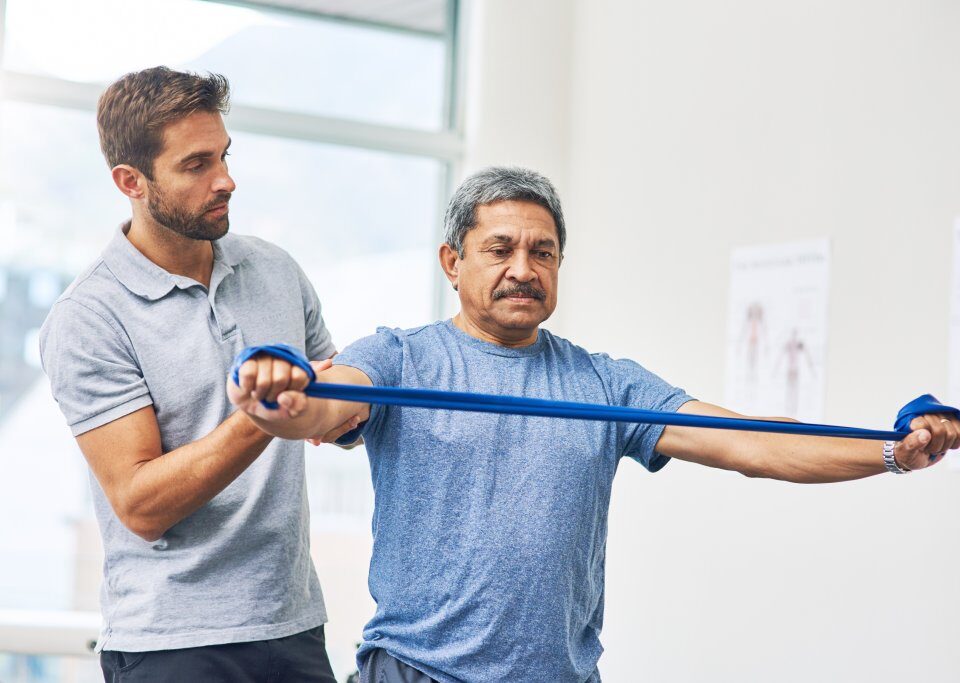
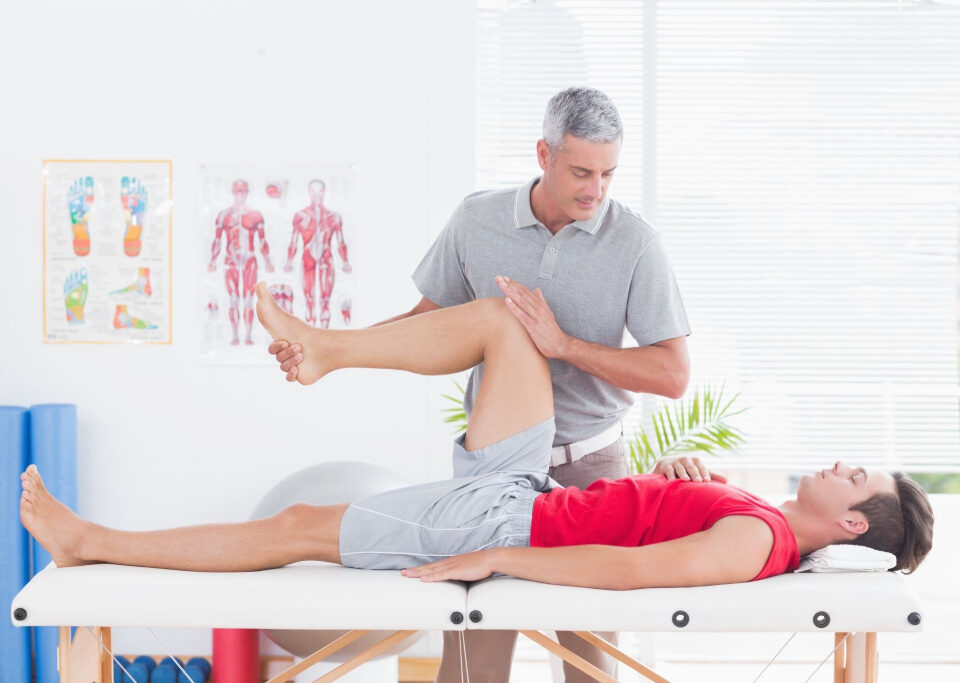
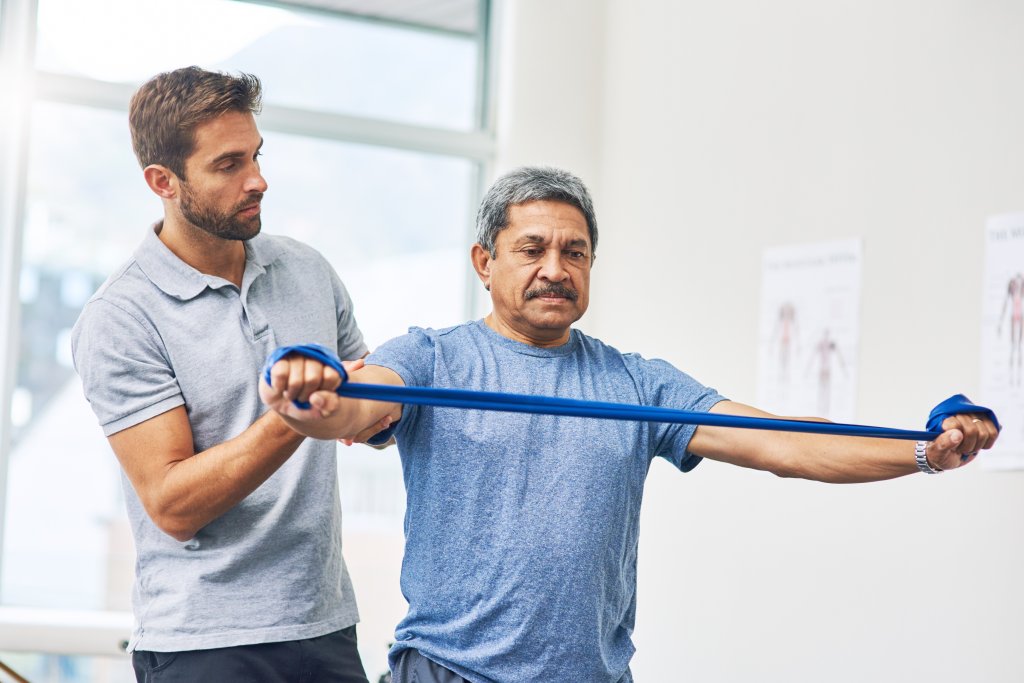
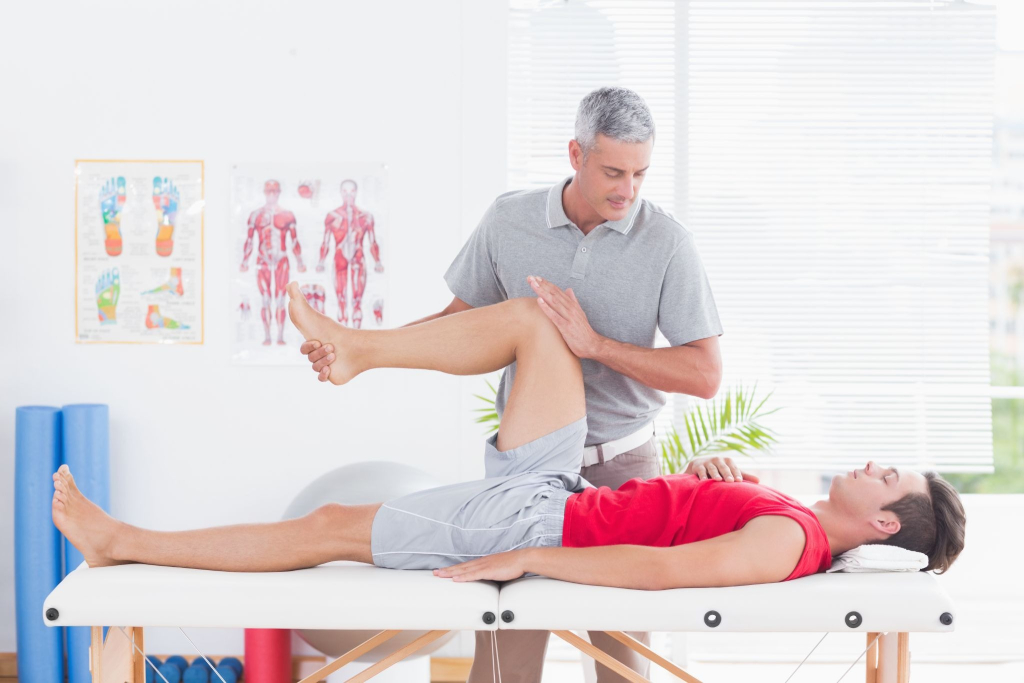
Rehabilitation aims to interrupt that cycle safely. A physical therapist may begin with short periods of walking, seated exercises, or basic strengthening activities based on the patient’s abilities. Over time, the duration or intensity can be adjusted as appropriate.
Progress may initially be modest. Walking a few additional feet, standing longer before needing a break, or completing an activity with less fatigue can all be meaningful milestones.
For patients receiving care at a Fayetteville nursing and rehab center following hospitalization, access to therapy alongside skilled nursing support can be especially helpful when recovery involves both medical and mobility challenges. That combination is part of what sets our approach apart for families across Cumberland County.
Everyday Life
Managing Breathlessness During Daily Activities
Recovery is not just about what happens during a therapy session. Patients also need strategies for managing everyday tasks. Occupational therapy can be particularly helpful when shortness of breath affects activities such as bathing, dressing, grooming, or moving around the home.
Patients may learn energy-conservation techniques such as:
Pacing activities so effort is spread across the day rather than concentrated in one exhausting stretch
Planning rest breaks before symptoms become overwhelming rather than after
Organizing the space so frequently used items are easier to reach
Timing demanding tasks for the parts of the day when energy levels are naturally higher
Breaking larger tasks into smaller steps such as pacing a morning routine instead of rushing through it all at once
The goal is not to eliminate every moment of fatigue. It is to help patients use their available energy more efficiently while gradually working toward greater endurance and independence, including through the daily programs and social activities that keep recovery engaging.
Safety and Oversight
Monitoring Recovery and Reducing Breathing-Related Complications
Shortness of breath deserves careful attention because changes in breathing can sometimes indicate a medical concern. During rehabilitation, healthcare professionals can monitor symptoms and other appropriate clinical information based on physician orders and the patient’s condition. Changes can then be communicated to the medical team when necessary.
Patients and families should also learn which symptoms require prompt medical attention. Signs that call for immediate medical care include:
Sudden or severe shortness of breath
Chest pain
Fainting
Blue or gray discoloration of the lips or skin
Significant difficulty breathing
Other changes, such as worsening breathlessness, fever, new swelling, or a significant change in activity tolerance, should be discussed with a healthcare professional. Understanding what is normal for the individual, and recognizing when something has changed, is an important part of preparing for a safe transition home.
Fuel and Recovery
Nutrition, Hydration, and Rest Also Matter
Rebuilding endurance requires more than exercise. Adequate nutrition provides the energy and protein needed to maintain and rebuild muscle. When patients have poor appetites after hospitalization, they may struggle to consume enough nutrients to support recovery.
Rest is equally important. Patients recovering from significant illness may need additional sleep and recovery time, particularly when they are also participating in therapy.
The key is balance. Too much activity can lead to exhaustion, while excessive inactivity can contribute to further weakness. A personalized rehabilitation plan can help establish an appropriate rhythm of activity and rest.
Planning Ahead
Supporting Long-Term Recovery Through a Structured Rehabilitation Program
The ultimate goal of rehabilitation is to help patients carry their progress into everyday life. As strength and endurance improve, therapy can increasingly focus on activities the patient will need to perform at home:
Walking longer distances without needing to stop
Navigating stairs safely
Transferring in and out of a bed or chair
Completing daily routines without becoming overly fatigued
Patients may also receive guidance about continuing appropriate exercises or breathing techniques after discharge. Follow-up with physicians and specialists remains important, particularly for individuals managing chronic heart or lung conditions.
For some people, a physician may recommend continuing with a formal outpatient post-hospital pulmonary rehabilitation program after leaving a skilled nursing setting. Others may transition to home-based services or another level of care depending on their needs. Having a clear plan helps ensure that progress does not end on discharge day, and our questions families should ask can help guide that conversation early.
Our Approach
Rehabilitation Support at Haymount Rehabilitation & Nursing Center
At Haymount Rehabilitation & Nursing Center in Fayetteville, we understand that recovering after hospitalization can involve more than healing from the original illness or procedure. Weakness, fatigue, reduced endurance, and difficulty completing everyday activities can continue after a patient is medically stable.
Our interdisciplinary approach brings rehabilitation and skilled nursing support together to address each patient’s individual recovery needs. Physical, occupational, and speech therapy services are provided as appropriate based on physician orders and individualized care plans, helping residents work toward improved mobility, strength, endurance, and everyday independence.
For families researching Fayetteville nursing and rehab options after hospitalization, it is important to ask how a facility develops individualized rehabilitation plans, coordinates with healthcare providers, and prepares residents for their next level of care. Our admissions team is glad to walk through each of those questions.
Looking Forward
Breathing Easier While Moving Toward Independence
Shortness of breath after hospitalization can make recovery feel intimidating, but patients do not have to navigate those challenges alone. Once the underlying medical condition has been appropriately evaluated, rehabilitation can help address the weakness, deconditioning, and difficulty with everyday activities that may accompany breathlessness.
Through appropriate breathing strategies, gradual strength and endurance training, symptom management, skilled nursing support, and thoughtful discharge planning, patients can work toward becoming more active and confident.
At Haymount Rehabilitation, our goal is to meet residents where they are in their recovery and help them make meaningful progress at a safe, individualized pace. Whether that means walking farther, completing personal care with less assistance, or simply feeling more confident moving through the day, each improvement can be an important step toward greater independence and a successful return home.
Let Us Help You Breathe Easier and Move Forward
Call Haymount Rehabilitation at (910) 689-0150 to talk with our team about post-hospital rehabilitation and skilled nursing care in Fayetteville, or schedule a visit to see our community in person.