
Why Shortness of Breath Can Continue After Hospitalization and How Rehab Helps
September 4, 2026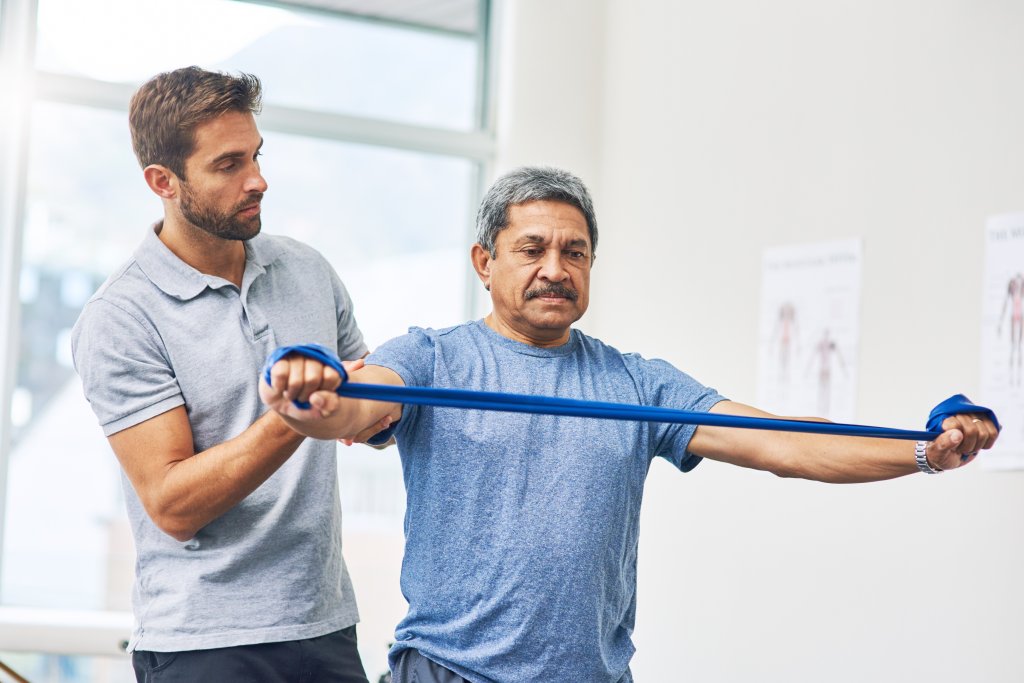
Rebuilding strength after a heart attack takes time, guidance, and a plan that respects your body while helping you move forward with confidence.
Experiencing a heart attack can change the way a person thinks about almost everything, including everyday activities that once felt routine. Walking around the house, climbing stairs, exercising, or even going to the grocery store may suddenly come with a new question: is this safe for my heart?
Recovery involves more than leaving the hospital and taking prescribed medications. Many patients need time and professional support to rebuild physical strength, regain confidence, and learn habits that support their long-term heart health. Cardiac rehabilitation can play an important role in that process, and for individuals who also need skilled nursing or additional rehabilitation after hospitalization, the right recovery environment can provide valuable support on the way toward greater independence.
Jump To Section
The Basics
Understanding Cardiac Rehabilitation After a Heart Attack
Through medically appropriate exercise, education, lifestyle changes, emotional support, and ongoing monitoring, post heart attack rehabilitation helps patients return to activity gradually and safely.
Cardiac rehabilitation is a medically supervised program designed to support recovery following certain heart conditions and procedures, including heart attacks. A traditional outpatient cardiac rehabilitation program typically combines exercise training, education about heart-healthy living, and strategies for managing cardiovascular risk factors.
The specific recovery plan depends on the individual’s health, the severity of the heart attack, other medical conditions, and recommendations from the cardiology team.
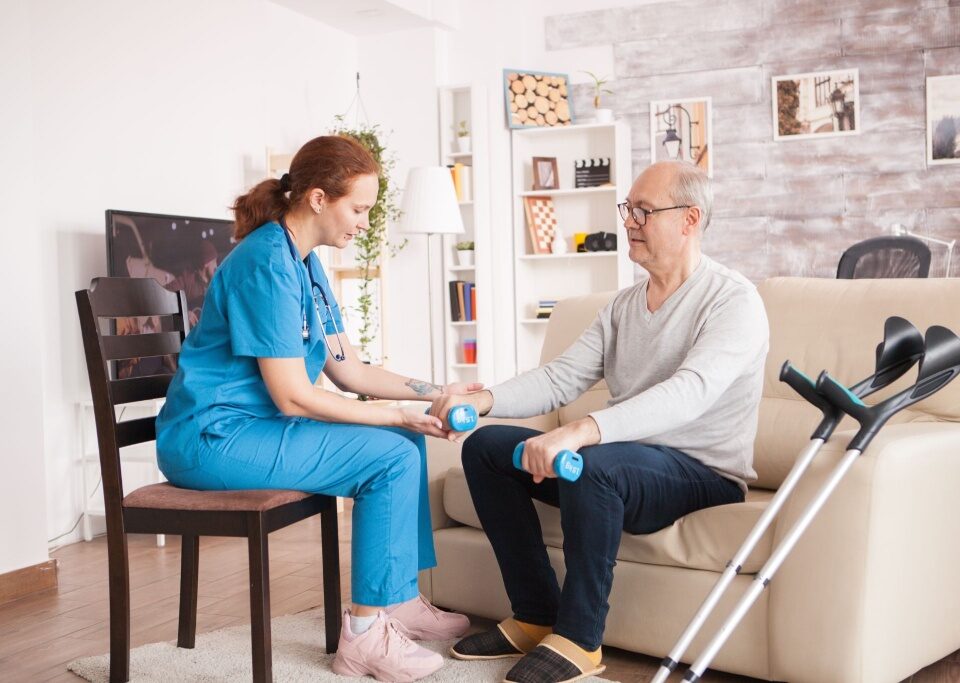
For some patients, there may also be an important step between hospitalization and outpatient cardiac rehabilitation. An older adult who has experienced significant weakness during a hospital stay, for example, may need short-term skilled nursing and rehabilitation before returning home. In that setting, skilled nursing and rehabilitation services can focus on restoring general strength, mobility, balance, and everyday function while following the patient’s medical precautions and physician-directed care plan. Once the patient is ready, their healthcare team can determine whether a formal outpatient cardiac rehabilitation program is appropriate.
Confidence First
How Cardiac Rehabilitation Supports a Safe Recovery
After a heart attack, it is understandable to feel nervous about physical activity. Patients may worry that increasing their heart rate could trigger another cardiac event, leading some people to become overly cautious and avoid activity altogether. Becoming inactive, however, can contribute to muscle weakness, reduced endurance, and decreased confidence.
Rehabilitation provides a more structured approach. Rather than asking patients to figure out on their own how much activity is appropriate, healthcare professionals can help establish safe goals based on medical recommendations and individual abilities.
Recovery generally begins gradually. Depending on the patient’s condition, early activities may be as simple as standing, walking short distances, or completing basic daily tasks. As endurance improves and the medical team approves additional activity, the intensity can gradually increase.
The emphasis is not on pushing the body as hard as possible. It is about helping the patient become stronger without exceeding safe limits.
Movement
Improving Strength Through Safe Exercise
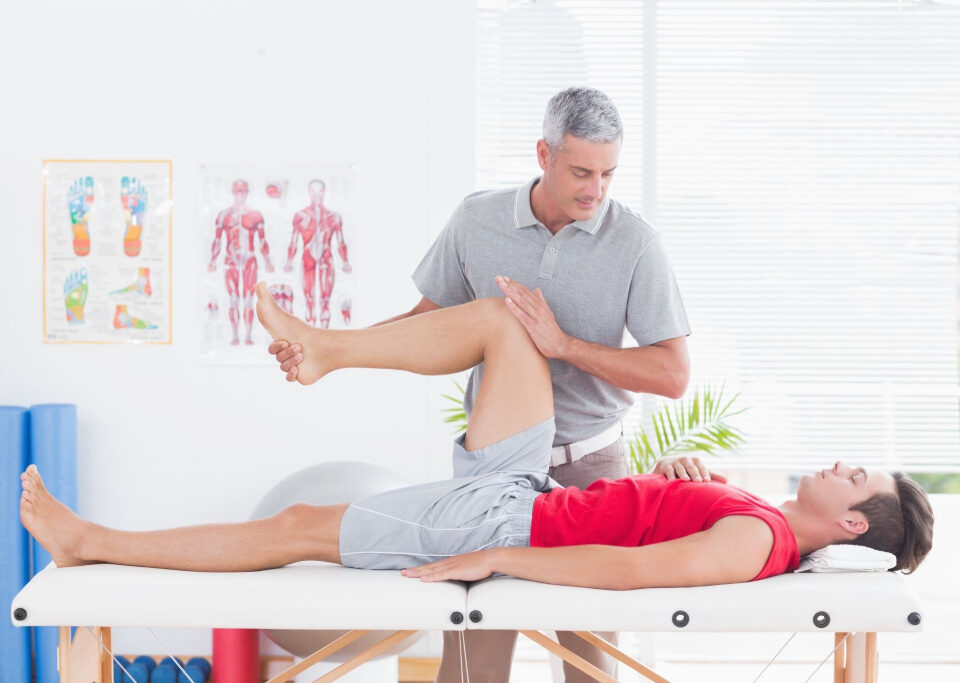
Exercise is one of the most important components of cardiac rehabilitation, but the word exercise can sound intimidating shortly after a heart attack. In reality, rehabilitation is highly individualized. One patient may begin with short periods of walking, while another may be ready for more structured aerobic activity. The appropriate intensity depends on factors such as heart function, overall health, previous activity level, and physician recommendations.
For patients who have become weakened during hospitalization, personalized therapy may initially focus on foundational abilities:
Getting out of bed safely and with less assistance
Standing steadily and transferring with confidence
Walking gradually longer distances
Improving balance to reduce the risk of falls
Increasing endurance for everyday tasks
As recovery progresses, medically supervised cardiac rehabilitation may incorporate aerobic activity and other exercises designed to improve cardiovascular fitness. The goal is gradual progress. Walking a little farther without excessive fatigue, completing daily activities more comfortably, or climbing stairs safely can all represent meaningful improvements.
Everyday Habits
Supporting Heart Health With Diet and Lifestyle Changes
Recovering from a heart attack is also an opportunity to evaluate lifestyle habits that influence cardiovascular health. Depending on the patient’s individual risk factors, a healthcare team may recommend changes in several areas:
Nutrition with an emphasis on vegetables, fruits, whole grains, lean proteins, and other foods recommended by the medical team, while limiting excess sodium, saturated fat, and highly processed foods
Physical activity introduced at a level that matches current abilities and physician guidance
Tobacco use addressed with support and practical strategies rather than judgment
Sleep and rest protected so the body has time to repair and rebuild
Weight management approached gradually and sustainably
Blood pressure, cholesterol, and diabetes monitored and managed alongside the care team
Dietary recommendations are not identical for every patient. Someone managing diabetes, kidney disease, swallowing difficulties, or another condition may require a more individualized nutrition plan.
Education is an important part of post heart attack rehabilitation because patients need practical strategies they can continue after returning home. Sustainable changes are usually more helpful than dramatic restrictions that are difficult to maintain.
Whole-Person Care
Managing Stress and Improving Emotional Well-Being
The emotional impact of a heart attack should not be overlooked. Some patients experience anxiety about having another cardiac event. Others may feel frustrated by temporary limitations or discouraged that they are not recovering as quickly as they expected. Changes in independence can also be emotionally difficult, particularly for older adults who were previously very active.
Stress management and emotional support are therefore important parts of cardiac recovery. Patients may benefit from relaxation techniques, appropriate physical activity, social connection through daily programs and shared activities, education, counseling, or other resources recommended by their healthcare team. Simply understanding what is happening during recovery can reduce some of the fear surrounding activity.
Family members can help by providing encouragement without pressuring the person to recover faster than is medically appropriate. Celebrating gradual improvements helps patients recognize how far they have come rather than focusing only on what they cannot yet do.
Ongoing Attention
Monitoring Recovery and Reducing Future Heart Risks
A heart attack is an important signal that cardiovascular risk needs ongoing attention. During recovery, healthcare professionals may monitor blood pressure, symptoms, medications, activity tolerance, and other factors based on the patient’s condition and care setting. Patients should also learn which symptoms require medical attention and how to follow their cardiologist’s recommendations after discharge.
Medication management is particularly important. Following a heart attack, patients may be prescribed medications to address blood pressure, cholesterol, blood clot risk, or other cardiovascular concerns. These medications should be taken exactly as directed, and any questions or side effects should be discussed with the prescribing healthcare provider.
Cardiac rehabilitation also provides education about modifiable risk factors that can become part of a long-term heart health strategy:
Physical activity continued at a level the medical team considers appropriate
Nutrition guided by individualized recommendations
Tobacco avoidance supported as an ongoing commitment
Chronic condition management coordinated with physicians and specialists
Medication adherence maintained exactly as prescribed
While rehabilitation cannot guarantee that another cardiac event will not occur, it can help patients address important risk factors while developing healthier routines.
Choosing Care
When Is Skilled Rehabilitation Needed After a Heart Attack?
Not every person who has a heart attack needs a stay in a skilled nursing facility. Many patients are able to return home and participate in outpatient cardiac rehabilitation when their physician determines it is appropriate. Others may need additional support first.
A skilled rehabilitation stay may be considered when someone experiences:
Significant weakness following hospitalization
Difficulty walking or moving safely around the home
Balance problems that raise the risk of falls
Challenges completing daily activities such as bathing or dressing
Additional medical needs that call for skilled nursing oversight
When researching rehab facilities in Fayetteville NC, families should ask what services are available for patients recovering after hospitalization and how the facility coordinates care with physicians and specialists. Our guide to what families should consider can help make those conversations easier, and the admissions team can walk through what a short-term stay typically involves.
It is also important to distinguish between skilled nursing rehabilitation and a formal cardiac rehabilitation program. A skilled nursing facility may help a patient rebuild general strength, mobility, endurance, and independence following hospitalization, while medically supervised cardiac rehabilitation is a specialized program prescribed for eligible patients and coordinated with their cardiac healthcare team.
Looking Ahead
Building Long-Term Strength and Preventing Another Heart Attack
Successful recovery does not end when rehabilitation is complete. The skills and habits developed during recovery are meant to become part of everyday life:
Continuing appropriate physical activity
Following medical recommendations from the care team
Eating a heart-healthy diet suited to individual needs
Managing stress with strategies that feel realistic
Attending follow-up appointments
Taking medications correctly and consistently
Patients should also recognize that recovery is not a race. Some people regain endurance quickly, while others require more time, particularly if they are managing additional medical conditions. The important thing is to continue making safe, sustainable progress under the guidance of healthcare professionals.
Our Approach
Supporting Recovery at Haymount Rehabilitation & Nursing Center
At Haymount Rehabilitation & Nursing Center, right here in Fayetteville, we understand that recovering after a serious hospitalization can involve both physical and emotional challenges. For patients who require skilled nursing and rehabilitation before returning home, our interdisciplinary team develops individualized care plans based on physician orders, medical needs, current abilities, and personal recovery goals.
Our rehabilitation services can help appropriate patients rebuild strength, improve mobility, increase endurance, and regain the skills needed for daily life as part of the broader recovery process. Skilled nursing support can also assist with medication management, medical monitoring, and coordinated care while patients prepare for their next stage of recovery.
For families comparing rehab facilities in Fayetteville NC and the surrounding Cumberland County communities, choosing a center that emphasizes individualized care and communication with the patient’s healthcare team can help create a smoother transition after hospitalization.
Next Steps
Moving Forward With Greater Confidence
A heart attack can make the future feel uncertain, but recovery provides an opportunity to rebuild both strength and confidence. With appropriate medical care, gradual activity, heart-healthy lifestyle changes, emotional support, and continued monitoring, many people can make meaningful progress toward returning to the activities they value.
Post heart attack rehabilitation is ultimately about more than exercise. It is about helping patients understand their health, regain appropriate independence, and develop habits that support their hearts for the future.
For individuals who need additional skilled care between the hospital and home, Haymount Rehabilitation is committed to providing compassionate rehabilitation and nursing support designed around each patient’s individual recovery needs. By taking recovery one safe step at a time, patients can move forward with greater strength, knowledge, and confidence.
Recovery Is Easier With the Right Team Beside You
Call Haymount Rehabilitation at (910) 689-0150 to talk with our team about short-term rehabilitation and skilled nursing care in Fayetteville, or schedule a visit to see our community for yourself.