
7 Signs Your Loved One May Need Skilled Nursing Care
June 26, 2026
Understanding Respite Care and Its Benefits for Family Caregivers
July 24, 2026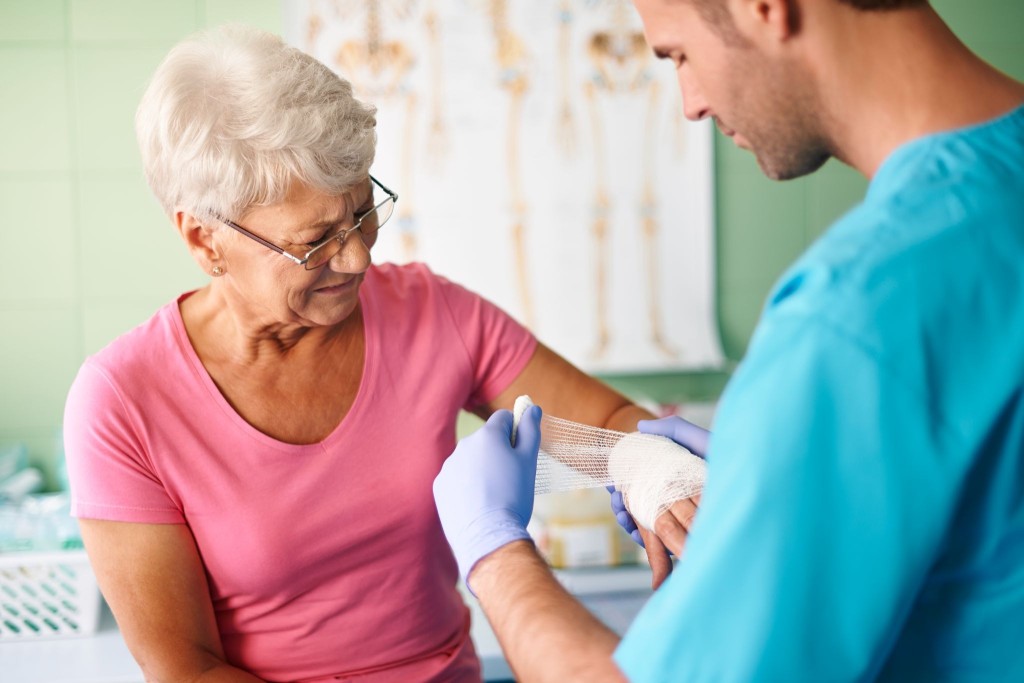
Careful, professional wound management helps healing move forward safely, comfortably, and with fewer setbacks along the way.
Recovering from surgery, illness, injury, or a hospital stay often involves more than regaining strength and mobility. For many patients, proper wound care becomes an essential part of the healing process and can meaningfully influence both recovery time and overall health outcomes. Whether someone is healing after an operation, managing a chronic wound, or recovering from an injury, professional wound care helps reduce complications, improve comfort, and support a safer return to daily life.
Many families are surprised to learn how complex wound healing can be. Age, circulation, diabetes, nutrition, mobility limitations, and other medical conditions all affect how quickly a wound heals. With attentive treatment and consistent monitoring, even complicated wounds can be guided toward a strong recovery.
This is one reason skilled nursing facilities play such an important role in recovery. By combining wound management with nursing care, rehabilitation therapy services, and personalized treatment plans, patients receive comprehensive support designed to promote healing while improving overall quality of life.
Jump To Section
Understanding Wound Care
The Role of Wound Care in Recovery
Wound care involves far more than changing dressings or cleaning an incision site. Professional wound management focuses on creating the ideal environment for healing while identifying and addressing the factors that may slow recovery or raise the risk of complications. Patients receiving care in a skilled nursing setting may need treatment for a variety of wounds.
Surgical incisions
Pressure injuries
Diabetic ulcers
Traumatic injuries
Skin tears
Vascular wounds
Each type of wound calls for its own treatment approach. Because wound healing often happens alongside other medical challenges, skilled nursing teams take a comprehensive view of a patient’s overall health when developing a plan of care, which is one of the reasons families reviewing our range of clinical services find wound management woven throughout the care we provide.
Assessment
Assessing Wounds and Creating a Personalized Care Plan
Effective wound care always begins with a thorough assessment. Healthcare professionals carefully evaluate the size, depth, location, and condition of the wound while also considering the factors that may affect healing, such as circulation, nutrition, chronic illnesses, and mobility limitations. This evaluation helps create a treatment plan tailored to each patient’s specific needs, and treatment plans may include the elements below.
Specialized dressings
Wound cleaning procedures
Pressure relief strategies
Nutritional support
Medication management
Positioning techniques
Recommendations for activity levels
Because wounds can change quickly during recovery, care plans are reviewed regularly and adjusted as healing progresses. Personalized treatment allows healthcare teams to respond quickly to challenges while supporting the best possible outcomes.
Prevention
Preventing Infection and Other Complications
Preventing complications is one of the most important goals of professional wound care. Infections can delay healing, increase discomfort, extend rehabilitation, and sometimes lead to a hospital stay or additional medical procedures. Skilled nursing teams use evidence-based practices to reduce these risks and watch closely for early signs of infection or other concerns.
Increased redness
Swelling
Drainage
Changes in wound appearance
Fever
Increased pain
Early identification and intervention usually keep small issues from becoming much larger problems. This proactive approach allows patients to keep focusing on rehabilitation and recovery with fewer interruptions.
Whole Person Care
Supporting Faster and Safer Wound Healing
Healing is influenced by much more than the wound itself. Nutrition, hydration, mobility, circulation, and overall health all play important roles in the body’s ability to repair tissue. Skilled nursing teams work closely with physicians, dietitians, therapists, and other healthcare professionals to address these factors and support healing from several angles at once.
Patients recovering from surgery or illness often benefit from nutritional guidance designed to supply the protein, vitamins, and nutrients tissue repair requires. Mobility matters too. Appropriate movement improves circulation and supports healing, while long periods of immobility can raise the risk of pressure injuries or a slower recovery.
By caring for the whole person rather than simply treating the wound, skilled nursing facilities create the conditions that make healing safer and more efficient.
Comfort
Managing Pain and Improving Patient Comfort
Pain management is another important component of wound care. Discomfort can affect sleep, appetite, mood, participation in therapy, and overall quality of life. Patients experiencing significant pain may feel less able to take part in rehabilitation exercises or the daily activities that support recovery, so our teams use a range of strategies to keep people comfortable throughout the healing process.
Medication management
Dressing techniques that minimize discomfort
Positioning adjustments
Pressure relief measures
Activity modifications
Coordination with rehabilitation teams
The goal is not simply to reduce pain but to help patients stay active and engaged in their recovery while maintaining the highest possible level of comfort. Comfortable residents also participate more fully in the daily activities and social programs that make a recovery stay feel more like living and less like waiting.
Teamwork
Coordinating Wound Care With Nursing and Rehabilitation
One of the greatest advantages of receiving wound care in a skilled nursing setting is the ability to coordinate treatment across multiple disciplines. Nurses, therapists, physicians, dietitians, and wound care specialists work together so that treatment plans support both healing and rehabilitation goals.
For example, physical therapists may adapt exercises to protect healing tissue while still building strength and mobility. Occupational therapists may recommend techniques that let patients complete daily activities without placing unnecessary stress on a wound. This collaboration helps patients keep making progress in rehabilitation without compromising wound healing.
Families exploring rehab facilities in Fayetteville NC often discover that this interdisciplinary approach is one of the greatest strengths of skilled nursing care, and it is a large part of what sets our care apart. Rather than managing several providers in different locations, patients receive coordinated care in one setting from teams who communicate regularly and share the same recovery goals.
When wound care, nursing, therapy, and nutrition all sit under one roof, small changes get noticed early and the whole plan can adjust in a single conversation rather than across several appointments.
Looking Ahead
Monitoring Progress and Preparing for a Safe Discharge
Successful wound care does not end when a wound begins to improve. Ongoing monitoring remains essential throughout recovery to confirm that healing is continuing as expected and to catch any change that may need attention. Healthcare teams document progress, evaluate how well treatment is working, and make adjustments when needed. Families are regularly included in conversations about healing timelines, ongoing care needs, and discharge planning.
As patients prepare to return home, education becomes an important part of the process. Patients and caregivers may receive guidance on the topics below.
Dressing changes
Signs of infection
Medication instructions
Activity recommendations
Follow-up appointments
Nutritional support
This preparation creates a smoother transition home and lowers the likelihood of complications or a return to the hospital. For some families, financial questions also become part of discharge planning. Understanding available insurance benefits and options such as Medicaid nursing care programs helps ensure patients keep receiving the support they need, and our admissions team is glad to walk through those details with you. Families weighing their next step often find our guide to things to consider when choosing care a helpful place to start.
Our Approach
How Haymount Rehabilitation Supports Wound Healing and Recovery
At Haymount Rehabilitation & Nursing Center, we understand that wound care is about much more than treating an injury or surgical site. It is about protecting health, promoting healing, and helping people regain confidence as they recover right here in Fayetteville.
Our interdisciplinary team develops personalized care plans that combine advanced wound management with skilled nursing care, rehabilitation services, pain management, and discharge planning. By addressing both the wound itself and the factors that influence healing, we help residents recover more safely and more comfortably. You can read more about our team and community and how we care for families across Cumberland County.
For families exploring rehab facilities in Fayetteville NC, choosing a provider that offers coordinated wound care services can make a meaningful difference in recovery outcomes and overall quality of life.
In Summary
Wound Care Is a Cornerstone of Safe Recovery
Wound care plays a critical role in helping patients recover safely after surgery, illness, or injury. Through personalized treatment plans, infection prevention, pain management, rehabilitation coordination, and ongoing monitoring, skilled nursing facilities provide the comprehensive support that successful healing requires.
At Haymount Rehabilitation, our team is committed to delivering compassionate, individualized care that promotes healing and supports every stage of recovery. Whether patients need short-term rehabilitation or ongoing support through programs such as Medicaid nursing care, our goal is always the same: helping residents heal safely, regain independence, and return to the activities that matter most to them.
Talk With Our Wound Care Team
If you have questions about wound care, recovery timelines, or planning a short-term stay, our team in Fayetteville is here to help. Call (910) 689-0150 or reach out to schedule a visit.