- Follow Us:
- (910) 689-0150

Personalized Post-Acute Rehabilitation for Better Healing Outcomes
June 4, 2026
How Wound Care Supports Safe Recovery in a Skilled Nursing Facility
July 4, 2026
Recognizing when a loved one could use extra support is one of the most caring steps a family can take, and knowing the signs early makes all the difference.
Watching a loved one age or recover from a serious health condition can be both rewarding and challenging. Many families find themselves asking an important question: are we providing enough support at home, or is it time to consider skilled nursing care?
The answer is not always obvious. Often the need for additional care develops gradually, making it hard to recognize when professional support may be helpful. Identifying the signs early can help prevent medical complications, ease stress for family caregivers, and ensure your loved one enjoys the highest possible quality of life. If you have been wondering whether it may be time to explore your options, here are seven signs to watch for. Our overview of things to consider is a helpful companion as you think it through.
Jump To Section
Sign One
Frequent Hospital Visits or Readmissions
One of the clearest indicators that a loved one may benefit from skilled nursing care is repeated hospitalizations. If your family member has been admitted to the hospital several times within a short period, it may signal that their healthcare needs have become more complex than home care can comfortably support. Frequent emergency room visits, recurring infections, medication complications, falls, or changing chronic conditions can all add to the strain on a family.
Skilled nursing facilities provide ongoing medical monitoring, coordinated care, and early intervention when health concerns arise. This level of support can often help reduce avoidable hospital visits and improve overall health outcomes. When healthcare needs become harder to manage at home, professional skilled nursing services can offer both safety and stability, giving everyone greater peace of mind.
Sign Two
Difficulty Managing Medications Safely
Many older adults take multiple medications each day, and managing them correctly can quickly become overwhelming. Missed doses, incorrect timing, duplicate medications, or confusion about prescriptions can have serious consequences. Warning signs may include:
Frequently forgetting medications
Taking incorrect doses
Running out of prescriptions unexpectedly
Confusion about medication schedules
Multiple medication-related hospital visits
Skilled nursing care includes medication management by trained professionals who ensure medications are administered accurately and monitored for effectiveness. This support can provide tremendous peace of mind for both residents and their families.
Sign Three
Increased Risk of Falls and Mobility Challenges
Falls are one of the leading causes of injury among older adults. If your loved one has experienced recent falls, struggles with walking, or has difficulty getting in and out of bed or chairs, it may be time to consider additional support. Mobility challenges can affect:
Bone health and the risk of fractures
Head injuries and related hospitalizations
Independence in everyday movement
Confidence and comfort moving around the home
Skilled nursing facilities provide assistance with mobility while also offering rehabilitation services designed to improve strength, balance, and coordination. The goal is not only to reduce fall risk but also to help residents maintain as much independence as possible.
Sign Four
Difficulty With Daily Activities
Everyday tasks that once seemed simple can become increasingly difficult as health conditions progress. Activities of daily living include:
Bathing
Dressing
Grooming
Eating
Using the restroom
Moving safely throughout the home
When a loved one begins struggling with these basic tasks, their health and comfort can be affected. Family caregivers often do their best to help, but providing this level of support every day can become physically and emotionally exhausting. Skilled nursing teams assist residents with daily activities while preserving dignity, comfort, and independence whenever possible.
Sign Five
Recovery After Surgery, Stroke, or Serious Illness
Recovering from a major medical event often requires more care than families can realistically provide at home. After surgery, stroke, cardiac events, serious infections, or a prolonged hospitalization, individuals may need:
Physical therapy
Occupational therapy
Speech therapy
Wound care
Medication management
Skilled nursing oversight
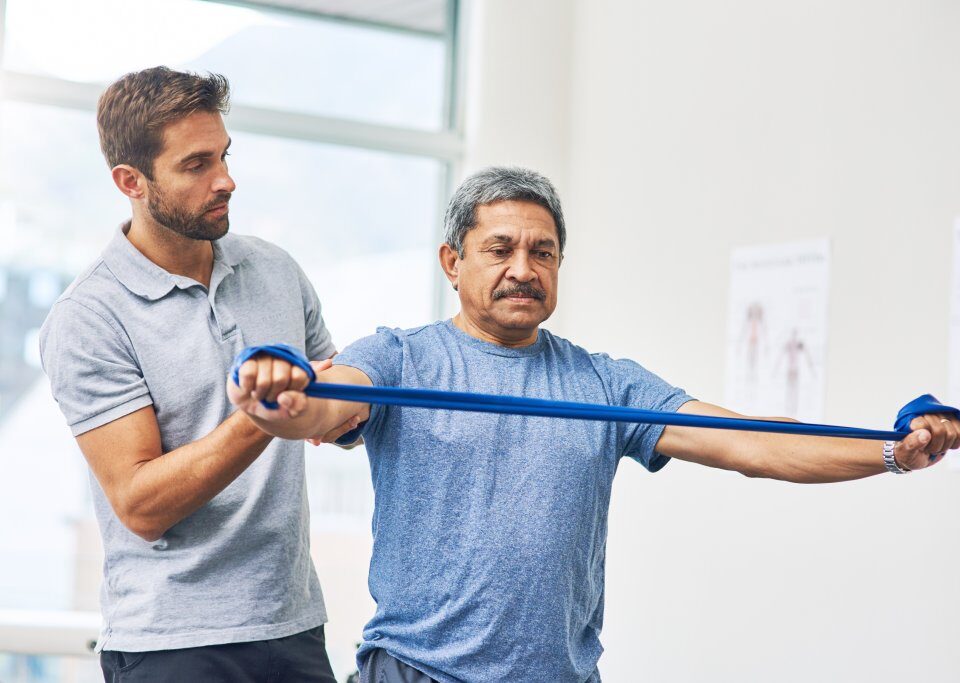
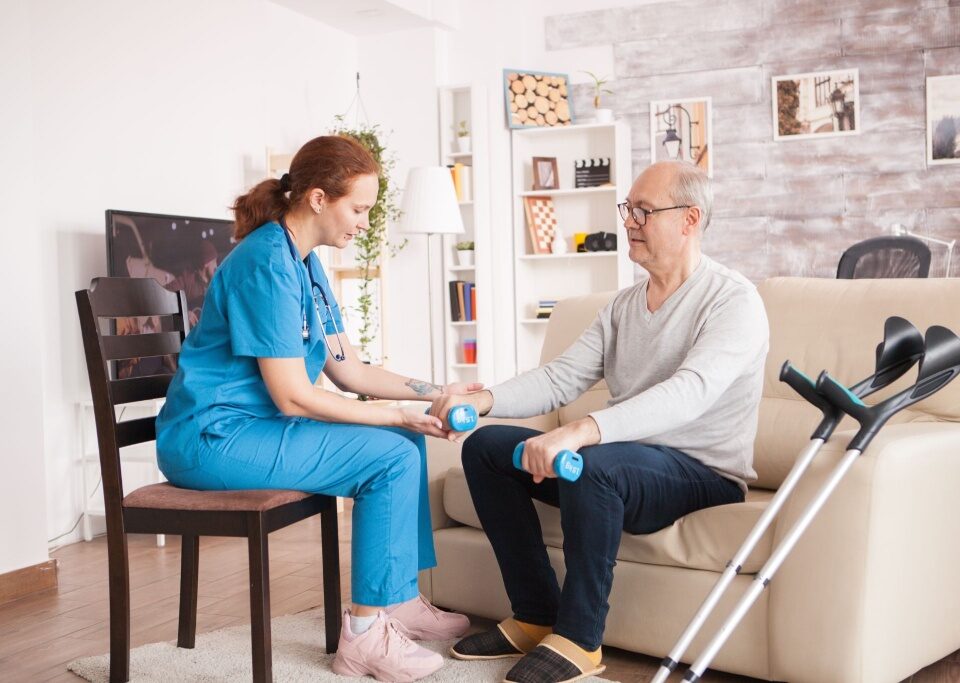
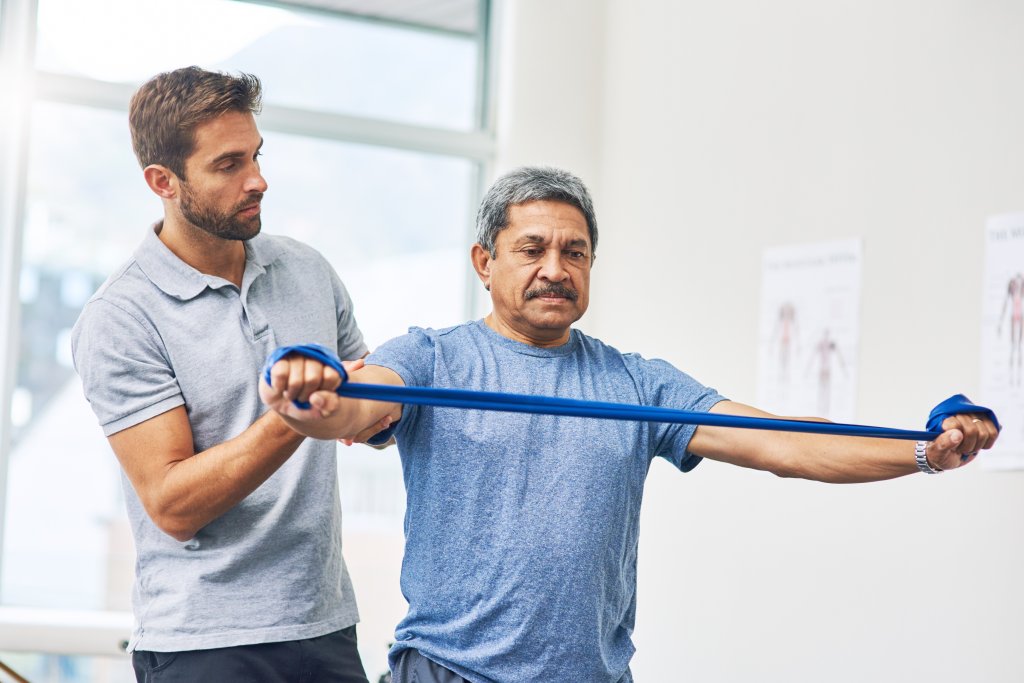
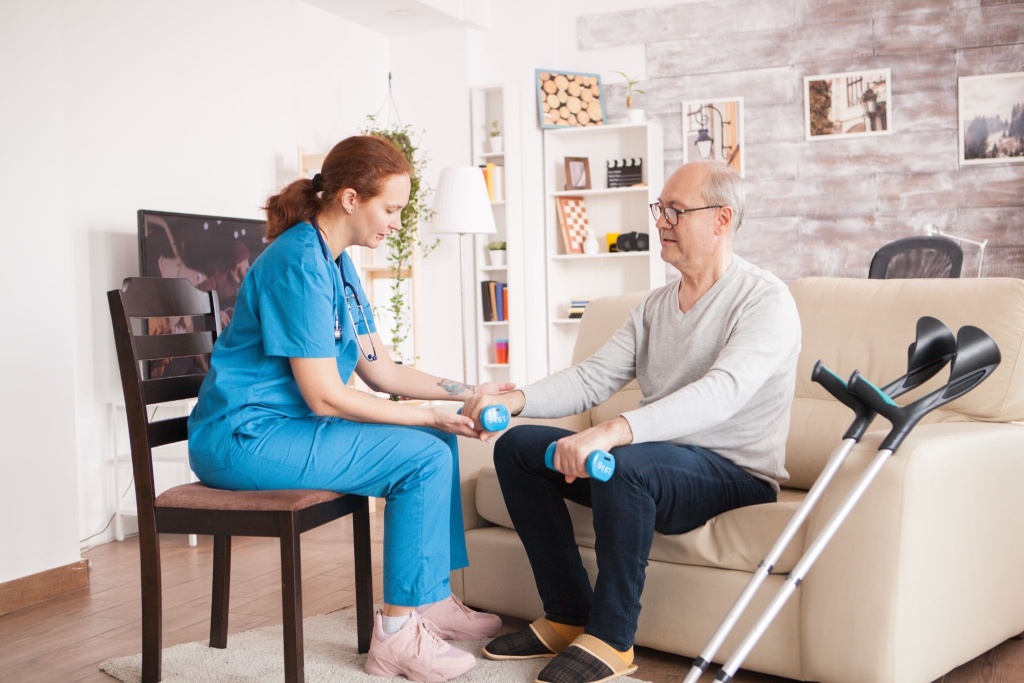
A structured rehabilitation program can significantly improve recovery outcomes. Skilled nursing facilities provide access to healthcare professionals and therapy teams who work together to create personalized recovery plans that help residents rebuild strength, restore function, and regain confidence before returning home. For many families, short-term rehabilitation provides an ideal bridge between hospital care and independent living. It is one of the ways our approach to care supports each resident as a whole person.
Sign Six
Worsening Chronic Health Conditions Requiring Medical Monitoring
Many seniors live with chronic health conditions that become more difficult to manage over time. Conditions that often benefit from ongoing monitoring and medical management include:
Heart disease
Diabetes
COPD
Kidney disease
Parkinson’s disease
Neurological disorders
As these conditions progress, symptoms may become less predictable. Family members may notice increased fatigue, frequent health setbacks, changes in mobility, or shifts in overall function. Skilled nursing facilities offer professional oversight that helps identify changes early and adjust care plans as needed. This proactive approach can improve comfort, support health stability, and ease everyday worry.
Families who are thinking ahead about long-term care costs may also wish to explore available resources, including Medicaid nursing care programs that may help eligible individuals access the services they need. Our admissions team is glad to walk you through what is available.
Sign Seven
Need for 24-hour Skilled Nursing and Specialized Care
Perhaps the most significant sign that skilled nursing care may be needed is when a loved one requires continuous supervision or specialized medical support. Examples may include:
Advanced wound care
IV therapy
Complex medication regimens
Feeding tube management
Oxygen therapy
Specialized rehabilitation services
Ongoing nursing assessments
When care needs extend beyond what can safely be provided at home, professional nursing support becomes essential. Skilled nursing facilities offer 24-hour access to trained healthcare professionals who can respond quickly to changing conditions and provide comprehensive care around the clock. This level of support helps ensure residents receive the medical attention they need while allowing families to focus on spending quality time together rather than managing complex healthcare responsibilities.
Caring for the Caregiver
What About Family Caregivers?
It is important to remember that caregiving affects the entire family. Many caregivers experience stress, exhaustion, and their own health setbacks while trying to meet the needs of a loved one. Seeking additional support is not a sign of failure. It is often one of the most compassionate decisions a family can make.
In some situations, families benefit from temporary solutions such as respite care in a nursing home setting. Respite care allows caregivers to take a much-needed break while ensuring their loved one continues to receive professional care in a safe and supportive environment. Even short-term support can make a meaningful difference for both caregivers and those they care for.
Moving Forward
Recognizing the Signs and Taking the Next Step
Recognizing the signs that a loved one may need skilled nursing care can be difficult, but early action often leads to better outcomes and greater peace of mind. Frequent hospital visits, medication challenges, mobility issues, difficulty with daily activities, recovery needs, changing chronic conditions, and the need for around-the-clock medical care are all important indicators that additional support may be beneficial.
At Haymount Rehabilitation & Nursing Center, we understand that every family’s situation is unique. Our compassionate team, right here in Fayetteville, is dedicated to providing personalized care, skilled nursing services, rehabilitation support, and guidance that helps residents achieve the highest possible quality of life. You can learn more about who we are and the care philosophy that shapes our work. If you are beginning to notice any of these signs, now may be the right time to explore your options and see how skilled nursing care can help your loved one live more safely, comfortably, and confidently.
Wondering if It’s Time to Explore Skilled Nursing Care?
You do not have to make this decision alone. Call our Fayetteville team at (910) 689-0150 or reach out today, and we will help you understand your options with compassion and clarity.