- Follow Us:
- (910) 689-0150


How Does Skilled Nursing Care Support Seniors With Chronic Health Conditions?
October 2, 2026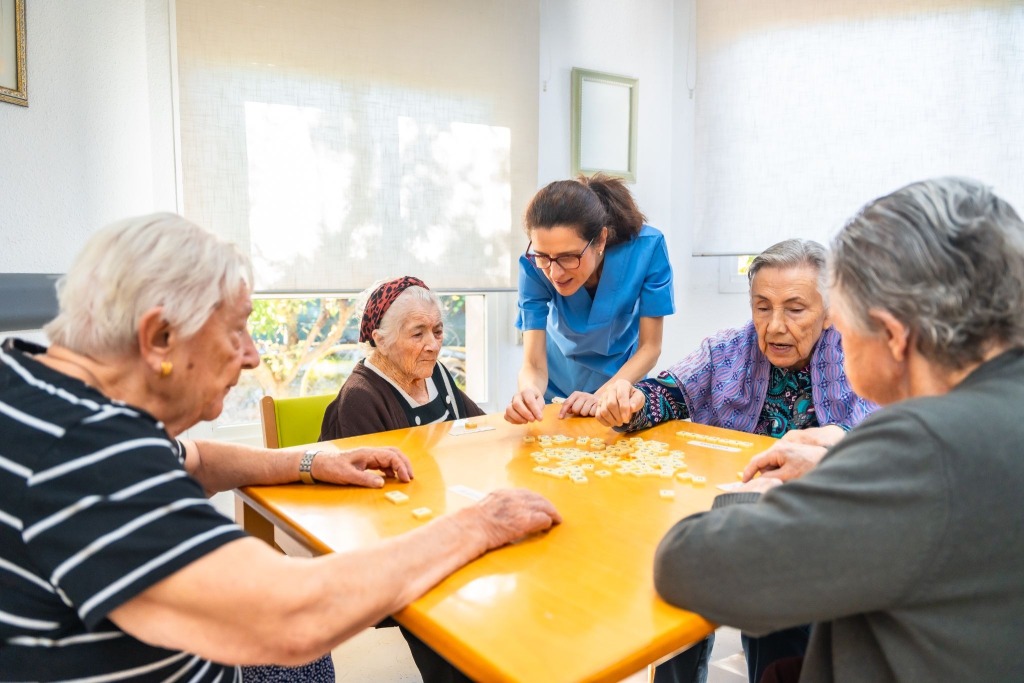
Connection, laughter, and purpose can turn a new address into a place that truly feels like home.
Think about how many parts of your day involve other people. You might chat with someone over coffee, text a family member, talk with a coworker, eat dinner with your spouse, or catch up with a friend. These interactions may seem ordinary, but they play an important role in helping us feel connected to the world around us. That need for connection doesn’t disappear with age.
In fact, social interaction can become especially important for older adults whose circumstances have changed. Retirement, the loss of a spouse or friends, mobility limitations, chronic health conditions, and moving away from a longtime home can all affect a person’s social circle.
For seniors receiving long-term nursing care in Fayetteville, NC, opportunities to connect with others can be an important part of daily life. At Haymount Rehabilitation & Nursing Center, group events, games, music, creative programs, family visits, and everyday conversations give residents opportunities to form relationships, stay engaged, and continue enjoying activities that are meaningful to them.
The best senior activities do more than keep people busy. They create opportunities for connection, laughter, movement, creativity, and purpose.
Jump To Section
Connection
Social Activities Can Help Reduce Loneliness and Isolation
Loneliness isn’t the same thing as simply being alone. Someone can enjoy spending time independently without feeling lonely, while another person can be surrounded by people and still feel disconnected. That’s why meaningful social interaction matters.
For an older adult who has lost a spouse, no longer drives, or has experienced changes in mobility, opportunities to socialize may have gradually decreased before entering long-term care. A community setting can introduce new possibilities:
Meeting people with similar interests or life experiences
Developing friendships over regular card games
Discovering that someone else loves the same music
Simply enjoying having familiar people to talk with each day
Not every resident will want a busy social calendar, and that’s perfectly reasonable. Some people have always preferred smaller groups or quieter interactions. The goal isn’t to make everyone participate in everything; it’s to provide different opportunities for residents to connect in ways that feel comfortable and meaningful to them.
Well-Being
Group Activities Can Support Emotional and Mental Well-Being
Group activities can provide more than social interaction. They can also offer mental stimulation and a sense of accomplishment.
Games and discussion: trivia, puzzles, board games, cards, and discussion groups may encourage residents to recall information, solve problems, make decisions, and communicate with others.
Creative engagement: choosing colors for an art project, following steps in a craft, singing the lyrics to a familiar song, or sharing memories prompted by old photographs can all engage the mind in different ways.
Something to look forward to: enjoyable activities can add structure and variety to the day.
Moments of accomplishment: finishing a project, winning a friendly game, helping with a group activity, or simply sharing a laugh with another resident can bring real enjoyment.
These moments may seem small, but quality of life is often built from exactly these kinds of everyday experiences.
Movement
Social Activities Can Encourage Physical Movement
When families think about physical activity for older adults, formal exercise may be the first thing that comes to mind. But movement can happen in many ways. Depending on a resident’s abilities, senior activities may include:
Chair exercises and stretching
Dancing to familiar music
Gardening
Tossing a ball or playing games that involve appropriate movement
Walking to an activity
Social activities can sometimes make movement feel more enjoyable because the focus isn’t solely on exercise. Someone who isn’t particularly enthusiastic about a traditional exercise session may enjoy moving to familiar music or participating in a group game.
Of course, activities should always reflect the resident’s abilities, medical needs, and safety considerations, and they work hand in hand with the nursing and care services each resident receives. A person with limited mobility may need an activity adapted so they can participate while seated. The purpose isn’t to push someone beyond their capabilities; it’s to create appropriate opportunities to stay engaged and use existing abilities.
Music
Music Can Create Powerful Opportunities for Connection
Few things bring people together quite like music. A familiar song can spark memories, encourage conversation, or simply improve the atmosphere in a room. Residents may sing along, tap their feet, clap, dance when appropriate, or talk about where they were when they first heard a favorite song.
Music can also connect generations. A family member visiting a loved one may play favorite songs from years ago and discover stories they’ve never heard before. Live performances, sing-alongs, music appreciation programs, and personal playlists can all create different experiences.
The beauty of music is that participation doesn’t always require a particular physical ability. Someone may actively sing or dance, while another resident may simply enjoy listening. Both can be meaningful.
Games
Games Can Combine Fun, Friendship, and Mental Engagement
Games are a familiar part of many nursing home activity calendars for good reason. Bingo, cards, trivia, board games, word games, and other recreational activities can bring residents together around a shared goal, often with plenty of conversation and laughter along the way.
Depending on the activity, games can also encourage skills such as attention, decision-making, memory, or hand-eye coordination. Most importantly, they can be fun.
Not every activity needs to have a therapeutic purpose attached to it. Older adults deserve opportunities to enjoy themselves simply because enjoyment is an important part of life.
Creativity
Creative Activities Give Residents a Way to Express Themselves
Painting, seasonal crafts, flower arranging, decorating, writing, and other creative activities can give residents opportunities for self-expression. The finished project isn’t necessarily the most important part. A resident may enjoy choosing colors, working with their hands, sharing ideas with the person sitting beside them, or making something to give to a family member.
Creative activities can also be adapted. Someone with limited hand strength may need different materials or assistance. Another resident may prefer observing or talking with the group rather than completing the project themselves.
Meaningful participation doesn’t have to look the same for everyone.
Purpose
Activities Can Help Residents Maintain a Sense of Purpose
One of the most overlooked benefits of social engagement is the opportunity to contribute. People want to feel useful at every age. Residents may enjoy helping decorate for a holiday, welcoming a new resident, caring for plants, organizing materials for an activity, participating in a community project, or sharing a skill with others.
A lifelong sewer might enjoy helping another resident with a craft.
A former teacher may love participating in trivia or helping organize a game.
A lifelong gardener might take particular pride in caring for plants.
These opportunities recognize something important: residents bring decades of experience, knowledge, skills, and interests with them. Long-term care shouldn’t erase those identities.
Personal Choice
Personalized Activities Make Engagement More Meaningful
A packed activity calendar doesn’t automatically mean every resident will feel engaged, because people have different interests. Someone who has never enjoyed crafts probably isn’t going to suddenly love them because they’ve moved into long-term care. A lifelong sports fan may be far more excited about watching a game with other residents. Someone else may prefer music, reading, gardening, religious activities, cooking-related programs, or quiet conversation.
This is why personalization matters. Getting to know a resident’s previous hobbies, occupation, favorite music, traditions, and daily routines can provide valuable clues about what they may enjoy. It’s a big part of what makes person-centered care different.
It also means recognizing when someone prefers not to participate. Choice is part of meaningful engagement. Residents should have opportunities to join activities, but their preferences and personalities should be respected.
Family
Family Involvement Can Strengthen Social Connections
Moving into long-term care doesn’t mean family relationships become less important. Visits, phone calls, video chats, cards, photographs, and participation in special events can help residents stay connected to the people who have been part of their lives for years.
Families can also participate in activities during visits. Instead of always sitting in a resident’s room trying to make conversation, consider doing something together:
Look through old photographs
Play cards or listen to favorite music
Take an appropriate walk
Watch a favorite team or attend a community event
These shared experiences can make visits feel more natural and enjoyable.
Families are also an excellent source of information for staff. They can share details about favorite hobbies, traditions, music, careers, sports teams, and routines that may help staff identify meaningful activities for the resident, a conversation that often begins during the admissions process.
At Haymount
Supporting Meaningful Engagement at Haymount
At Haymount, quality of life involves more than addressing medical and personal care needs. Opportunities for activities, interaction, and engagement can also be meaningful parts of a resident’s everyday experience, and that belief is rooted in who we are as a care team.
For families considering long-term nursing care in Fayetteville, NC, asking about social and recreational opportunities can provide important insight into life within a community. Look beyond how many activities appear on the calendar. Consider whether there are different types of programs, whether residents can make choices, and whether activities reflect a range of interests and abilities.
After all, meaningful engagement isn’t about filling every minute of a resident’s schedule. It’s about creating opportunities.
An afternoon card game may lead to a new friendship.
A familiar song may spark a treasured memory.
A holiday celebration may give a family something special to enjoy together.
A resident helping with a project may rediscover a sense of purpose.
These moments can make an ordinary day feel a little brighter and help a long-term care community feel more like home.
FAQ
Frequently Asked Questions About Senior Activities in Long-Term Care
Why are social activities important for seniors in long-term nursing care?
Social activities give residents opportunities to connect with others, participate in enjoyable experiences, stay mentally engaged, and maintain a sense of routine and belonging. They can be especially meaningful for older adults whose previous social circles have changed because of health, mobility, or life transitions.
What types of senior activities are commonly available in long-term care?
Senior activities vary by community but may include games, music, arts and crafts, exercise programs, seasonal celebrations, religious activities, gardening, entertainment, discussion groups, and other recreational programs. Activities may also be adapted according to residents’ abilities and interests.
Can seniors with limited mobility still participate in activities?
Yes. Many activities can be modified for residents who have limited mobility. Depending on individual abilities, residents may participate in seated exercise, music, games, crafts, social groups, or other programs. Participation should reflect each resident’s safety needs, interests, and abilities.
How can families encourage a loved one to participate in social activities?
Families can share information about a loved one’s interests and previous hobbies with staff, attend community events when possible, and encourage activities that genuinely appeal to the resident. It’s also important to respect the resident’s preferences. Some people enjoy large groups, while others prefer quieter activities or one-on-one interaction.
What should families ask about activities when choosing long-term nursing care in Fayetteville, NC?
Families can ask what activities are offered, how often programs are available, how staff learn about resident interests, whether activities are adapted for different abilities, and what options exist for residents who prefer individual or small-group engagement. Families can also ask how they can participate in activities and special events with their loved one.
Help Your Loved One Stay Active, Engaged, and Connected
Discover meaningful senior activities and compassionate long-term nursing care right here in Fayetteville. Contact Haymount Rehabilitation today or call us at (910) 689-0150 to learn more or schedule a visit.