- Follow Us:
- (910) 689-0150


Cardiac Rehabilitation After a Heart Attack: Rebuilding Strength Safely
September 24, 2026
What Are the Benefits of Social Activities in Long-Term Nursing Care?
October 23, 2026
Living with a chronic condition takes more than treatment. It takes steady, whole-person care that honors the person behind the diagnosis.
Managing a chronic health condition can be challenging at any age, but it can become especially complicated later in life. An older adult may be living with diabetes while also managing arthritis, heart disease, or another ongoing condition. Add multiple medications, mobility limitations, dietary needs, and routine medical appointments, and what once seemed manageable can gradually become overwhelming. Families often step in to help, organizing medications, preparing meals, providing transportation, or assisting with bathing and dressing.
Over time, however, an older adult’s health and daily care needs may require more consistent support than family members can safely provide at home. That’s where skilled nursing care may become an option. For seniors with ongoing medical needs, NC skilled nursing facilities like Haymount Rehabilitation & Nursing Center, right here in Fayetteville, can provide nursing support, assistance with daily activities, rehabilitation when appropriate, and individualized care planning within one setting. The goal isn’t simply to manage a diagnosis. It’s to support the whole person while helping them maintain comfort, function, safety, and quality of life.
Jump To Section
Understanding Chronic Care
Common Chronic Health Conditions That Affect Older Adults
Chronic conditions are health problems that typically require ongoing management rather than a short period of treatment. Older adults may live with conditions such as diabetes, heart disease, arthritis, chronic respiratory diseases, neurological disorders, or other long-term health concerns. Some seniors have one primary condition, while others are managing several at the same time.
It’s often the combination of conditions that makes daily care more complicated. For example, arthritis may make it difficult for someone with diabetes to remain physically active or manage certain aspects of personal care. Mobility limitations can make preparing nutritious meals more difficult. A resident with several medical conditions may also have a complex medication schedule.
Chronic conditions can affect much more than medical appointments. They may influence:
How safely someone moves through their day
What they eat and how well they’re able to prepare meals
How much assistance they need with personal care
How independently they can complete everyday activities
Recognizing Changing Needs
Why Seniors With Chronic Conditions May Need Skilled Nursing Care
A diagnosis alone doesn’t necessarily mean an older adult needs to live in a skilled nursing facility. Many people successfully manage chronic health conditions at home for years. The question is whether the individual’s medical and personal care needs can continue to be met safely and consistently in their current environment.
Needs can change gradually. A family may initially help by filling a weekly pill organizer. Later, their loved one may begin missing medications or become confused about when to take them.
Someone who once walked independently may begin falling or require assistance getting out of a chair. Bathing, dressing, preparing meals, and getting to medical appointments may become increasingly difficult.
Families exploring long-term care facilities in Fayetteville, NC may reach that point when an older adult needs a combination of nursing oversight and assistance throughout the day. Skilled nursing care provides a setting where ongoing medical needs can be considered alongside mobility, nutrition, personal care, and other aspects of daily life.
Nursing Oversight
Medication Management and Health Monitoring
Medication management can become increasingly complex when a person has multiple chronic conditions. Different medications may need to be taken at different times or under specific instructions. Prescriptions may also change following hospitalizations, specialist appointments, or changes in health.
In a skilled nursing setting, nursing professionals administer medications according to current medical orders and monitor residents for relevant changes in condition. Regular observation is particularly important because changes in an older adult’s health aren’t always dramatic. Depending on the individual’s condition, changes like these may warrant further attention:
Becoming unusually tired
Eating less than normal
Experiencing new swelling
Having difficulty breathing
Seeming confused
Showing a decline in mobility
Skilled nursing staff can document concerns and communicate with the appropriate healthcare providers when necessary. The purpose of this ongoing monitoring isn’t to guarantee that complications won’t occur. Rather, it provides a consistent system for observing the resident’s health and responding appropriately when changes are identified.
Rehabilitation
Physical and Occupational Therapy Can Support Function
Chronic conditions can gradually affect strength, balance, endurance, and the ability to perform everyday tasks. Rehabilitation services may be appropriate for some residents based on their individual needs and medical orders.
Physical therapy may address areas such as strength, balance, walking, transfers, endurance, and mobility. For an older adult with arthritis or another condition affecting movement, the goal may be to preserve or improve functional abilities where possible.
Occupational therapy often focuses on activities of daily living, including bathing, dressing, grooming, toileting, and other everyday routines. Therapists may also recommend adaptive strategies or equipment when appropriate.
These disciplines can work together. A resident may need enough strength and balance to safely stand from a chair, while also needing strategies to complete dressing with less assistance. Improving function in one area can often make other daily activities more manageable. Rehabilitation goals should be individualized because chronic conditions affect everyone differently.
Individualized Care
Personalized Care Plans Address More Than a Diagnosis
Two residents can have the same chronic condition and very different care needs. One person with diabetes may walk independently and need minimal help with personal care. Another may have significant mobility limitations, require substantial assistance with daily activities, and be managing several additional medical conditions.
That’s why individualized care planning is so important. A care plan can consider:
Diagnoses and current medications
Mobility and safety concerns
Nutritional needs
Personal care requirements
Rehabilitation goals, when applicable
Other factors affecting the resident’s daily life
Personal preferences matter too. Older adults aren’t simply patients with a list of diagnoses. They have established routines, interests, relationships, and personal goals. Whenever possible, care should recognize those individual preferences while addressing medical and safety needs.
Plans may also need to change. If a resident’s health, abilities, or needs change over time, the care team can reevaluate appropriate supports. Chronic care isn’t static, and the care plan shouldn’t be either.
Nourishment
Nutrition Is an Important Part of Chronic Condition Management
What someone eats and drinks can be particularly important when managing certain chronic conditions. However, nutritional needs aren’t identical for every older adult. One resident may have dietary considerations related to diabetes, while another may need attention to heart health or other medical concerns. Other factors can affect nutrition as well:
Appetite changes
Swallowing difficulties
Dental problems
Medications
Personal food preferences
The goal isn’t simply to place everyone with the same diagnosis on an identical diet. Nutritional support should reflect individual needs and applicable medical recommendations.
Families may also notice changes in eating habits before other concerns become obvious. A loved one who is suddenly eating much less, losing weight, or struggling during meals may need further evaluation. In a skilled nursing setting, nutrition can be considered as part of the resident’s broader plan of care rather than as a separate issue.
Staying Active
Mobility Support Can Help Residents Stay Engaged
Movement influences much more than walking. Mobility affects whether someone can get to the bathroom, participate in activities, sit comfortably for meals, move around their room, and interact with other people. Chronic conditions can gradually make these activities more difficult.
Residents may need assistance with walking, transfers, positioning, or use of assistive devices. The appropriate level of help depends on individual abilities and safety needs.
When possible, supporting residents in doing what they can for themselves can also be valuable. A person may need assistance standing but still be able to walk with appropriate support. Someone else may need help getting into position for dressing but can complete part of the task independently. Maintaining existing abilities can support dignity and participation in everyday life.
Everyday Support
Daily Assistance Can Make a Meaningful Difference
Chronic health conditions don’t only affect medical needs. They can make ordinary tasks exhausting or unsafe. Bathing, dressing, grooming, eating, toileting, and getting in and out of bed may gradually require more assistance.
Receiving help with these activities isn’t simply about convenience:
For someone with poor balance, assistance during bathing can be a safety issue.
For a resident with severe arthritis, help with dressing may reduce frustration and discomfort.
For someone experiencing weakness, support during transfers may be needed.
At the same time, good care shouldn’t automatically take over tasks a resident can still perform. The appropriate balance is providing the level of assistance the person needs while encouraging independence where it is safe and realistic.
Quality of Life
Social and Emotional Well-Being Matter Too
Living with a chronic condition can be frustrating. An older adult may have spent decades being completely independent and suddenly find themselves relying on others for basic activities. Health problems can also make it harder to participate in hobbies, visit friends, or maintain previous routines.
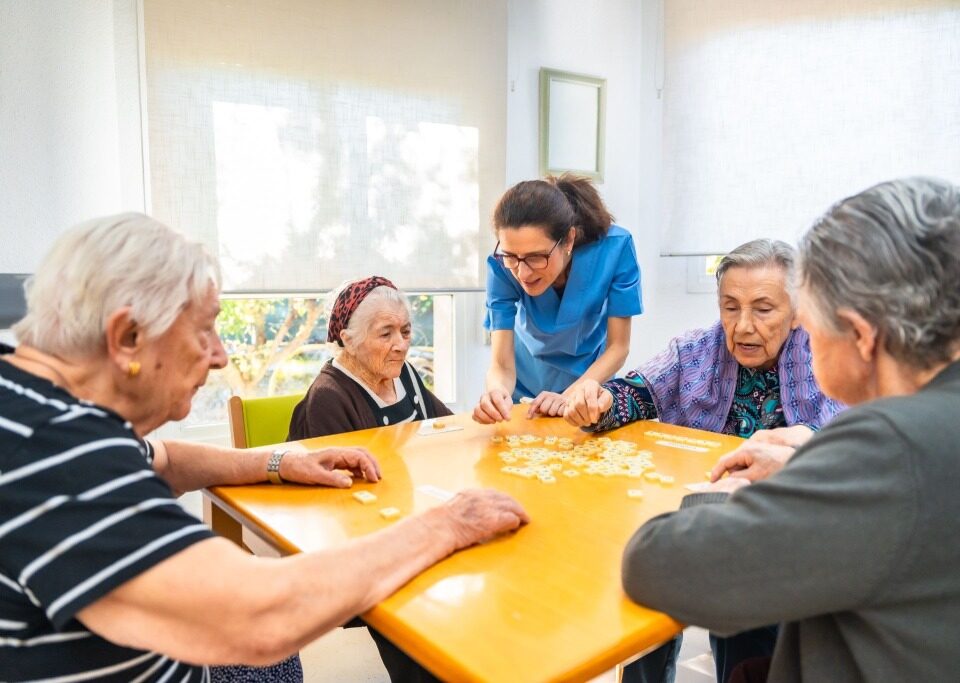
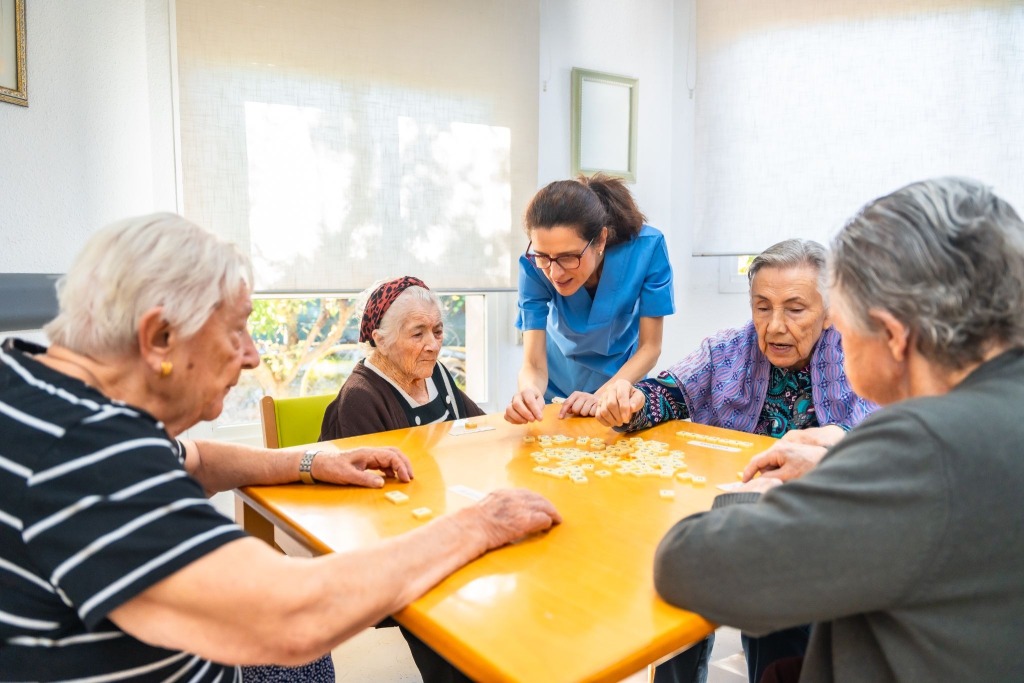
Quality of life therefore involves more than medications and medical monitoring. Opportunities for social interaction, meaningful activities, family involvement, and familiar routines can all contribute to the resident’s daily experience.
When families tour NC skilled nursing facilities, it’s worth asking what life looks like outside of medical care:
What activities are available?
How are individual interests considered?
How can families stay involved?
What opportunities do residents have to socialize?
These questions matter because chronic care is ultimately about helping someone live with an ongoing condition, not simply treating the condition itself.
Making the Decision
When Should Families Consider Skilled Nursing Care?
There isn’t one universal sign that tells a family it’s time for skilled nursing care. Instead, families may notice several concerns beginning to overlap:
Medications are being missed
Falls are becoming more frequent
A loved one is struggling with bathing or dressing
Chronic health conditions are becoming harder to monitor
Family caregivers are providing increasing amounts of help around the clock
Hospitalizations or emergency room visits are becoming more frequent
Caregiver capacity matters as well. A spouse or adult child may be deeply committed to caring for a loved one but no longer physically capable of safely helping with transfers or providing the level of supervision that’s needed.
When these concerns arise, families can speak with the individual’s healthcare providers about current medical and functional needs and whether a higher level of care should be considered. Visiting long-term care facilities in Fayetteville, NC can also help families better understand the services available, and reviewing what to consider when choosing care can help clarify what type of environment may be appropriate.
Our Approach
Supporting Seniors With Chronic Conditions at Haymount
At Haymount Rehabilitation, caring for residents with ongoing health needs means looking beyond a single diagnosis. Chronic conditions can influence medications, mobility, nutrition, personal care, rehabilitation needs, and daily routines. An individualized approach allows these different needs to be considered together.
For families researching long-term care facilities in Fayetteville, NC, it’s important to ask how a facility approaches chronic condition management, nursing support, personal assistance, rehabilitation, nutrition, activities, and communication with families. It’s also helpful to consider what the individual needs today and how those needs may change in the future.
The decision to seek skilled nursing care can be emotional, particularly when families have worked hard to keep a loved one at home. But recognizing that someone needs additional support isn’t about taking away independence.
In many cases, it’s about finding the right level of assistance so an older adult can continue navigating chronic health challenges with appropriate nursing care, daily support, opportunities for engagement, and respect for the person behind the diagnosis.
Common Questions
Frequently Asked Questions About Skilled Nursing and Chronic Health Conditions
What chronic conditions can be managed in a skilled nursing facility?
Residents of skilled nursing facilities may live with diabetes, heart disease, arthritis, respiratory conditions, neurological disorders, and many other ongoing health concerns. Whether a particular facility is appropriate depends on the individual’s specific medical, nursing, and personal care needs, so families should discuss those needs before admission.
How does skilled nursing help with medication management?
Skilled nursing professionals can administer medications according to current medical orders, monitor relevant changes in a resident’s condition, document concerns, and communicate with appropriate healthcare providers when necessary. This can be especially helpful for seniors taking multiple medications for several chronic conditions.
Can residents with chronic conditions receive physical or occupational therapy?
Yes, when therapy is clinically appropriate and part of the individual’s care plan. Physical therapy may address areas such as mobility, balance, strength, and endurance, while occupational therapy may focus on everyday activities such as bathing, dressing, and other functional tasks.
How do I know when my parent may need skilled nursing care?
It may be time to explore skilled nursing care when an older adult has increasing difficulty managing medications, experiences repeated falls, requires substantial assistance with daily activities, has complex medical needs, or can no longer receive the necessary level of support safely at home. A healthcare professional can help assess the individual’s needs.
What should families look for when comparing long-term care facilities in Fayetteville, NC?
When comparing long-term care facilities in Fayetteville, NC, families can ask about nursing services, chronic condition management, medication administration, rehabilitation, assistance with daily activities, nutrition, resident activities, care planning, and family communication. Most importantly, discuss your loved one’s specific needs to determine whether the facility can provide an appropriate level of care.
Personalized Skilled Nursing Care in Fayetteville
Help your loved one manage chronic health conditions with personalized skilled nursing care at Haymount Rehabilitation & Nursing Center. Reach out today to learn more about our long-term care services in Fayetteville, NC, or call our team at (910) 689-0150.