
Respite Care Nursing Home Services at Haymount: What to Expect
April 9, 2026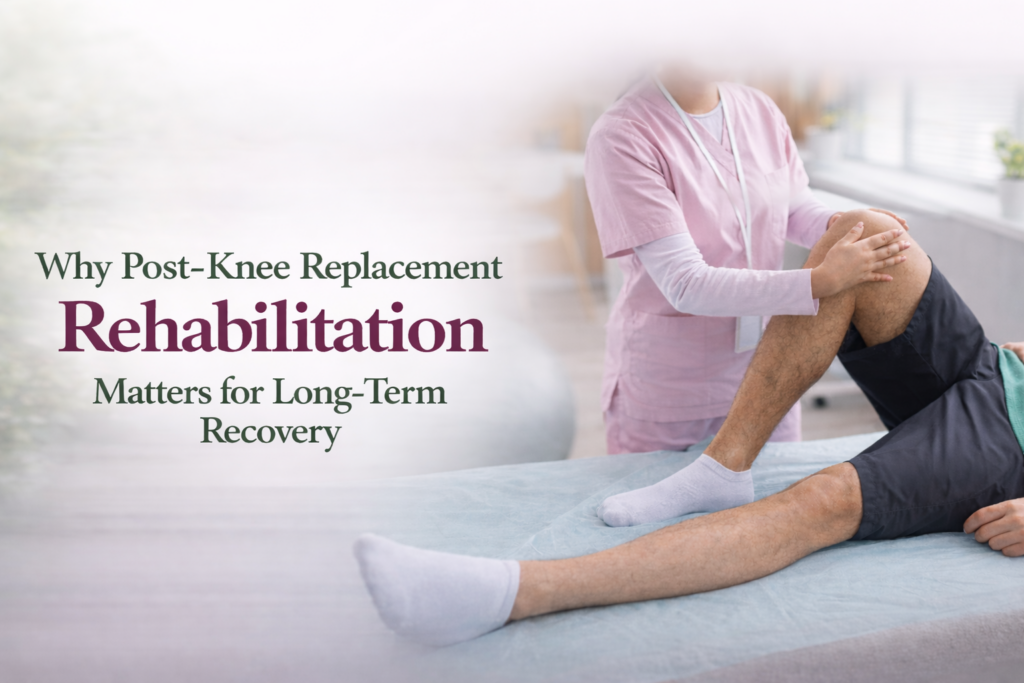
Knee replacement surgery can be life-changing. For many people, it brings relief from chronic pain, improved mobility, and the opportunity to return to activities they once enjoyed. But here’s something that often gets overlooked – the surgery itself is only part of the journey.
What happens after surgery is just as important.
Post knee replacement rehabilitation plays a critical role in determining how successful your recovery will be in the long run. Without the right support, guidance, and consistency, patients may struggle to regain full strength, mobility, and confidence. On the other hand, a well-structured rehabilitation plan can dramatically improve outcomes and help patients return to daily life safely and comfortably.
Let’s break down why post knee replacement recovery depends so heavily on rehabilitation and what you can expect along the way.
Recovery Doesn’t End at the Hospital
After surgery, most patients are eager to get back on their feet, and understandably so. But the knee joint needs time, movement, and proper conditioning to heal correctly.
That’s where post knee replacement rehabilitation comes in.
Instead of rushing the process, rehabilitation focuses on gradual, guided recovery. This helps ensure that:
- The new joint functions properly
- Muscles surrounding the knee regain strength
- Flexibility and range of motion are restored
- Pain and swelling are managed effectively
Facilities like Haymount Rehabilitation provide the structured environment and professional support needed to make this phase successful.
Regaining Strength and Mobility
One of the primary goals of post knee replacement recovery is rebuilding strength.
After surgery, muscles around the knee – especially the quadriceps – are often weakened. Without targeted therapy, this weakness can lead to instability, difficulty walking, and an increased risk of falls.
Through physical therapy, patients work on:
- Strengthening key muscle groups
- Improving balance and coordination
- Practicing safe walking techniques
- Gradually increasing activity levels
These exercises are carefully designed to challenge the body without causing harm, helping patients regain confidence in their movement.
Improving Range of Motion
Flexibility is just as important as strength.
After knee replacement surgery, stiffness can limit how far the knee bends or straightens. Without proper rehabilitation, this stiffness may become long-term.
A structured post knee replacement rehabilitation program includes exercises that:
- Increase range of motion
- Reduce joint stiffness
- Promote proper movement patterns
The earlier and more consistently these exercises are performed (under professional guidance), the better the long-term results.
Pain Management and Healing
Let’s be honest. Recovery can be uncomfortable at times.
Swelling, soreness, and stiffness are all normal parts of post knee replacement recovery, but they need to be managed carefully. Rehabilitation programs incorporate strategies to help minimize discomfort while promoting healing.
This may include:
- Guided movement to reduce stiffness
- Ice and elevation techniques
- Pain management support from medical professionals
- Monitoring for any signs of complications
The goal is to keep patients progressing without unnecessary setbacks.
Preventing Complications
Skipping or delaying rehabilitation can increase the risk of complications.
Without proper movement and strengthening, patients may face:
- Joint stiffness or reduced mobility
- Muscle weakness
- Poor balance and increased fall risk
- Delayed recovery timelines
In some cases, inadequate rehabilitation can even impact how well the knee replacement functions over time.
That’s why professional post knee replacement rehabilitation isn’t just helpful. It’s essential.
Supporting Emotional Well-Being
Recovery isn’t just physical. It’s emotional, too.
It’s common for patients to feel frustrated or discouraged during the healing process, especially when progress feels slow. A supportive rehabilitation environment can make a huge difference.
At facilities like Haymount Rehabilitation, patients benefit from:
- Encouragement from experienced therapists
- Clear goals and progress tracking
- A structured routine that builds confidence
- A supportive, team-based atmosphere
This emotional support helps patients stay motivated and engaged in their recovery.
Returning to Daily Life with Confidence
Ultimately, the goal of post knee replacement recovery is to return to everyday activities – walking, climbing stairs, driving, and even enjoying hobbies.
Rehabilitation bridges the gap between surgery and independence.
Through consistent therapy and support, patients learn how to:
- Move safely and efficiently
- Perform daily tasks with confidence
- Build endurance for longer activities
- Reduce the risk of re-injury
By the time rehabilitation is complete, many patients are not just back to where they were. They’re better.
Why Choosing the Right Rehab Facility Matters
Not all rehabilitation experiences are the same.
Choosing a facility like Haymount Rehabilitation ensures access to:
- Experienced therapy professionals
- Personalized recovery plans
- A safe, supportive environment
- Ongoing medical oversight
This level of care can significantly impact both the speed and quality of recovery.
Final Thoughts
Knee replacement surgery is a major step toward a better quality of life, but it’s only the beginning.
Post knee replacement rehabilitation is what transforms that opportunity into lasting results. By focusing on strength, mobility, pain management, and overall well-being, patients can achieve a smoother, more successful post knee replacement recovery.
With the right support system in place, recovery isn’t just possible. It’s empowering.
And in the end, that’s what it’s all about: getting back to the life you love, one step at a time.